

The U.S. economy is currently experiencing a complex interplay of factors influencing growth, inflation, and consumer confidence. Understanding these elements is crucial for both policymakers and the public.
Inflation and Consumer Sentiment
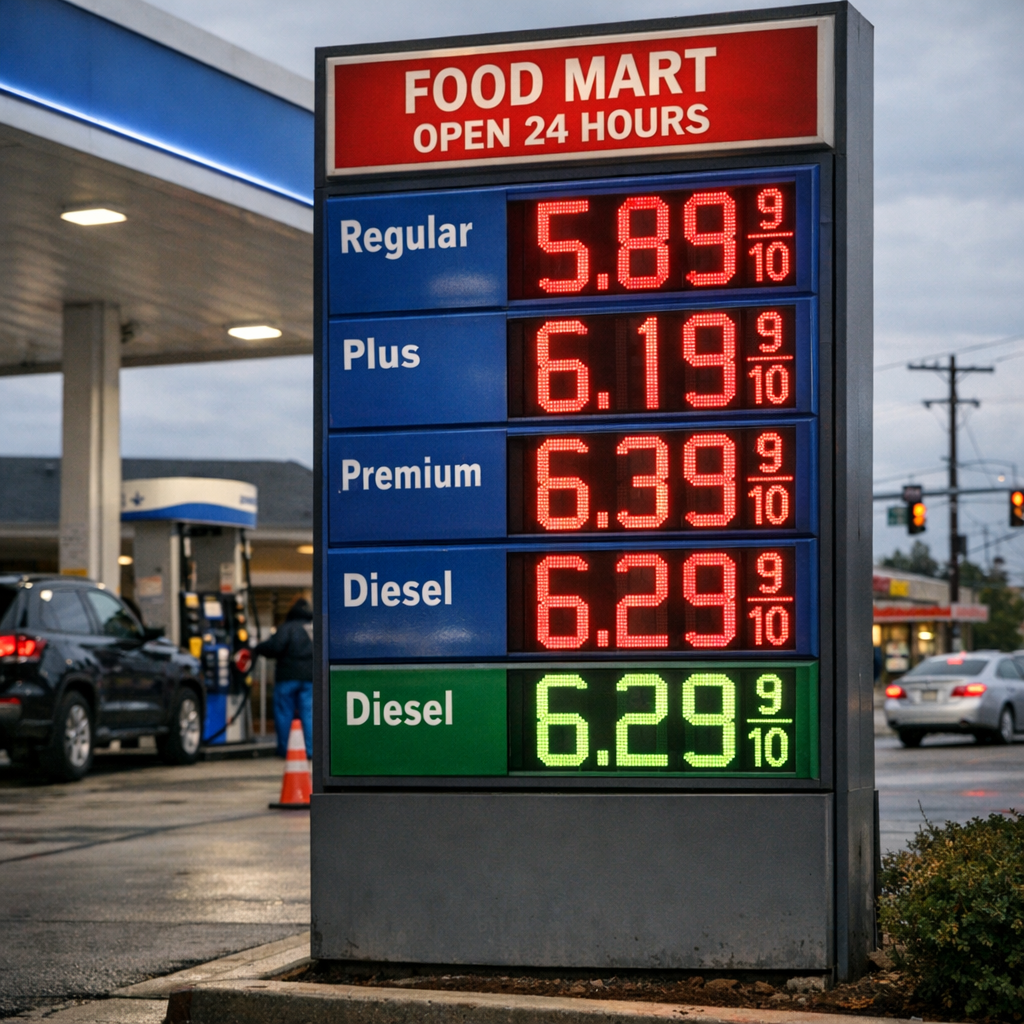
Recent data indicates a rise in inflation, with the Consumer Price Index (CPI) increasing by 3.8% in April, marking the highest rate in three years. This uptick is largely attributed to escalating energy costs following geopolitical tensions in the Middle East, particularly the closure of the Strait of Hormuz, a critical passage for global oil shipments. Consequently, national average gas prices have surged above $4.50 per gallon, with some states reporting prices exceeding $5.
These economic pressures have significantly impacted consumer sentiment. A CBS News/YouGov poll conducted in mid-May revealed that 70% of Americans feel “angry” or “frustrated” about the current economic situation. Only 11% expressed enthusiasm, and 19% reported satisfaction. Additionally, 77% of respondents indicated that their incomes are not keeping pace with rising prices, highlighting widespread financial strain.
Federal Reserve’s Response
In response to these economic challenges, the Federal Reserve has taken measures to stabilize the economy. The International Monetary Fund (IMF) projects U.S. gross domestic product (GDP) growth of 2.4% in the fourth quarter of 2026, up from 2.2% the previous year. The IMF also anticipates a decrease in unemployment to 4.1% in 2026 and expects inflation to align with the Federal Reserve’s 2% target by 2027.
Federal Reserve Chair Kevin Warsh, who recently assumed office, faces the task of balancing interest rate adjustments to manage inflation without hindering economic growth. The Fed has signaled a cautious approach, indicating potential rate hikes if inflation remains elevated.
Implications for Otsego Residents
For residents of Otsego, Minnesota, these national economic trends have tangible local effects. Rising fuel prices can increase commuting costs, affecting household budgets. Inflationary pressures may also lead to higher prices for goods and services, impacting purchasing power. Staying informed about these developments is essential for making sound financial decisions.
As the economic landscape continues to evolve, monitoring Federal Reserve policies and broader economic indicators will be vital in understanding and navigating the challenges ahead.